
1. Understanding the Solopreneur Journey
Greetings, fellow trailblazers! From my perch here in the vibrant Philippines, where I’ve been crafting my own ventures since 2010, I’ve seen the astonishing growth of the solopreneur landscape. As we step into 2026, the spirit of solo enterprise is thriving, driven by cutting-edge tech and a global mindset. What defines this unique journey, and how can we not just survive but truly flourish?
Definition and Characteristics of a Solopreneur
A solopreneur is a business owner running their show mainly solo. Unlike traditional small business owners who might immediately hire a team, solopreneurs embrace independence, leveraging technology and smart strategies to make a big impact without a large staff. In 2026, this often looks like:
-
Ultimate Autonomy: You call the shots. Every decision, every direction, is yours to make.
-
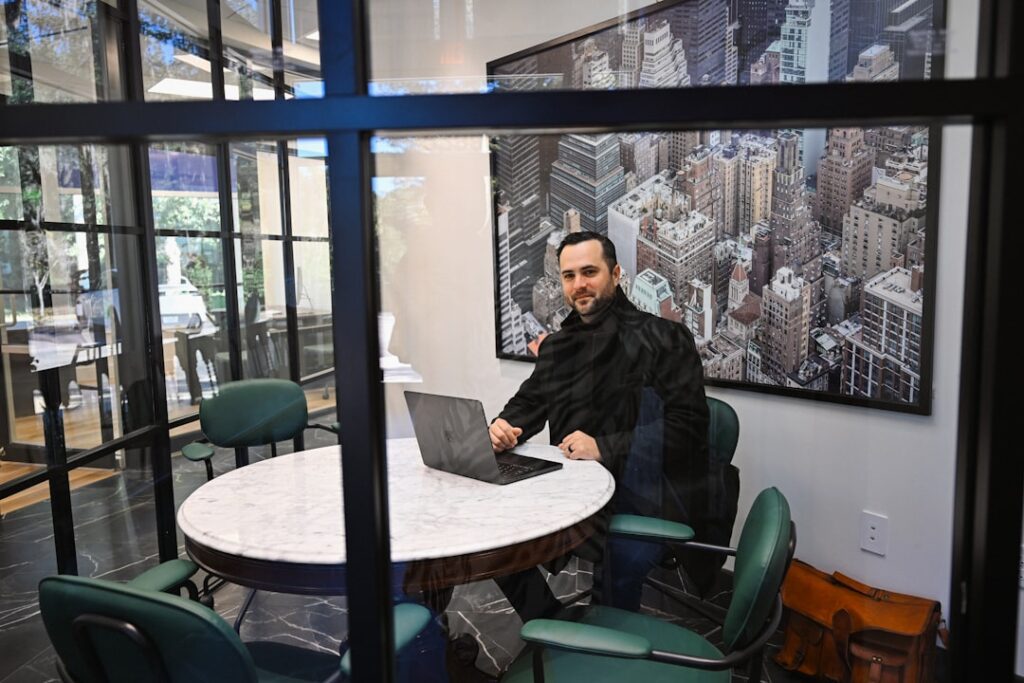
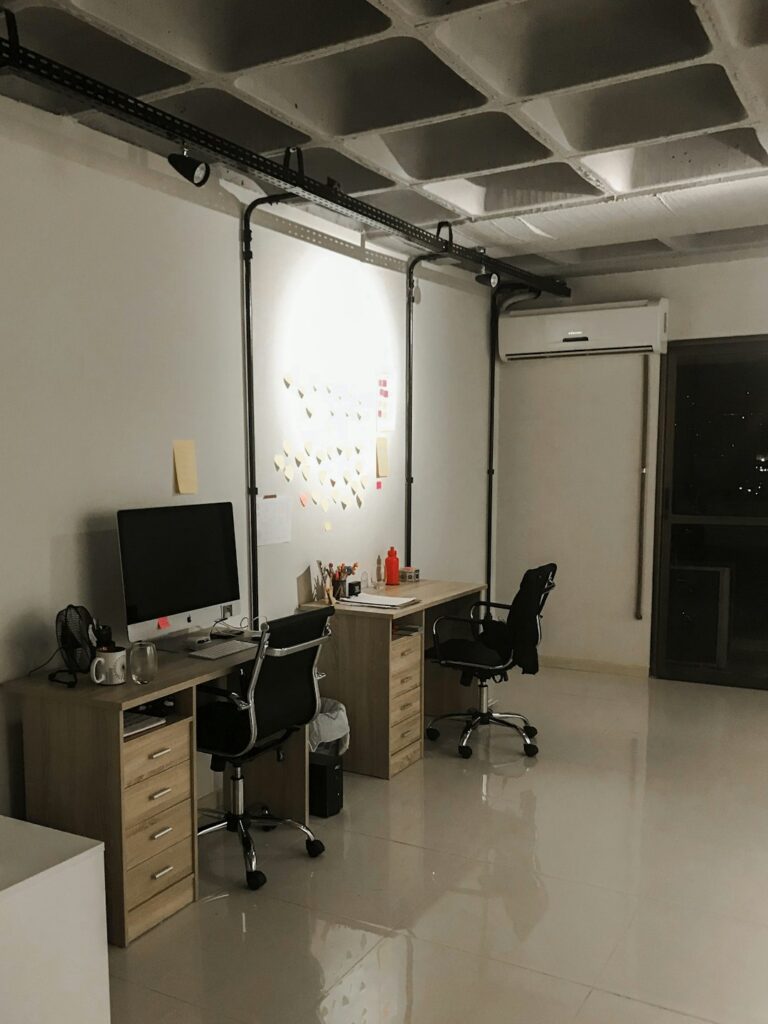
Lean Operations: With minimal overheads, solopreneurs often work from a home office, co-working space, or like me, from a beachfront café in Palawan.
-
Multi-disciplinary Mastery: You wear many hats – marketing, sales, product development, customer service, finance. This demands ongoing learning and adaptability.
-
Personal Brand Focus: Your business is often an extension of your personal expertise, values, and brand. Authenticity is essential.
-
Scalability Through Leverage: You rely heavily on automation, AI tools, and strategic outsourcing to bolster efforts without direct hires.
Common Challenges Faced by Solopreneurs
While the freedom is exhilarating, the solopreneur journey in 2026 comes with its own set of challenges:
-
Isolation and Loneliness: The lack of colleagues can lead to feelings of isolation, making it hard to brainstorm or celebrate successes.
-
Information Overload: The sheer amount of digital tools, strategies, and market data can be overwhelming.
-
The Hustle Trap: The constant need to be “on” can blur the lines between work and personal life, leading to burnout.
-
Financial Instability: Income can be unpredictable, creating stress and uncertainty, especially in the early stages.
-
Decision Fatigue: Being the sole decision-maker can be mentally exhausting.
-
Skill Gaps: No one can be an expert in everything, which can hamper growth or quality in certain areas.
Importance of Mindset in Overcoming Obstacles
Having navigated these waters for over a decade, I can tell you this: your mindset is your most powerful asset. It’s not just about what you do, but how you think about what you do.
-
Resilience Is Non-Negotiable: The path is full of detours and setbacks. Bouncing back, learning from failures, and moving forward is critical.
-
Embrace Continuous Learning: The tech and business landscape evolves at breakneck speed. A curious, growth-oriented mindset ensures you stay relevant.
-
Cultivate Self-Compassion: You’ll make mistakes. It’s part of the process. Treat yourself with the same kindness you’d offer a friend.
-
Adopt a Solution-Oriented Approach: Instead of dwelling on problems, train your mind to seek solutions, leveraging the vast resources available today.
-
Believe in Your Vision: There will be moments of doubt. A strong belief in your purpose and the value you bring will see you through.
2. Effective Time Management Strategies

In 2026, time remains your most precious commodity, especially as a solopreneur. With a flood of digital distractions and an ever-growing to-do list, mastering time management is a prerequisite for survival and sustainable growth.
Prioritization Techniques to Maximize Productivity
Gone are the days of tackling whatever comes first. Strategic prioritization is key:
-
The AI-Augmented Eisenhower Matrix: Smart project management platforms integrate AI to help you categorize tasks. These systems can suggest prioritization based on your goals and deadlines, learning from your task completion patterns.
-
Deep Work Blocks: Schedule uninterrupted blocks for high-concentration tasks. Turn off notifications and use tech to create a distraction-free environment. For me, this is often early morning when the island is still quiet.
-
The 80/20 Rule (Pareto Principle) Amplified: Identify the 20% of actions yielding 80% of results. AI analytics tools can help pinpoint high-impact activities in your business, so you can double down on what truly matters.
-
Batching Similar Tasks: Group emails, client communications, social media scheduling, or content creation into specific blocks to reduce context-switching and boost efficiency.
Tools and Apps for Scheduling and Task Management
The tech available to solopreneurs in 2026 is revolutionary, offering sophisticated, integrated ecosystems.
-
AI-Powered Project Management Suites: Platforms like Notion, ClickUp, and Monday.com, now with advanced AI features, auto-generate task lists, suggest timelines, and draft responses to client queries. They integrate seamlessly across all your digital touchpoints.
-
Smart Calendaring and Scheduling: Tools like Calendly and Acuity are now predictive, learning your availability and preferences to suggest meeting times, send smart reminders, and even reschedule appointments.
-
Advanced CRM for Solopreneurs: Streamlined CRM systems now cater specifically to solopreneurs, automating lead nurturing, client communication, and follow-ups using generative AI.
-
Personal Knowledge Management (PKM) Systems: Tools like Obsidian and Roam Research help you connect ideas, manage research, and turn scattered notes into actionable insights.
The Significance of Setting Boundaries and Saying No
This is where many solopreneurs, myself included, struggle. The line between personal and professional can blur.
-
Define Your Working Hours: Clearly delineate when you’re “on” and “off.” Communicate these hours to clients and collaborators. Sticking to them is crucial for your mental well-being.
-
Physical Boundaries: Designate a specific “work zone.” When you’re in it, you’re working. When you leave it, you’re not.
-
Digital Detox Protocols: Regularly disconnect. Put your devices away, turn off notifications, and engage in non-screen activities. Schedule mini-digital sabbaticals.
-
Mastering the Art of “No”: Learn to politely decline projects, meetings, or requests that don’t align with your core vision or take up disproportionate time. Saying “no” to one thing allows you to say “yes” to what truly matters.
3. Scaling Your Business Sustainably
As a solopreneur in 2026, the goal isn’t just to stay afloat; it’s to grow your impact and income without losing your freedom or peace of mind. Sustainable scaling is about smart expansion.
Identifying Opportunities for Growth Without Overextending
Scaling means being strategic about where you invest your limited time and resources.
-
AI-Driven Market Analysis: Leverage AI platforms to scour market trends, analyze competitor strategies, and identify emerging niches. These tools predict demand for new services or products with remarkable accuracy.
-
Leveraging Your Unique Expertise: Focus on what makes you stand out. Can you create premium offerings or exclusive experiences?

-
Productization of Services: Consider packaging your expertise into digital products that can be sold repeatedly with minimal additional effort.
-
Strategic Partnerships and Collaborations: Identify complementary businesses or solopreneurs who serve a similar audience. Joint ventures or shared projects can expand your reach without direct expansion costs.
-
Niche Expansion: Once established in one niche, AI can help identify related niches where your expertise can be transferred.
Outsourcing vs. Automation: What Works Best for Solopreneurs
This is the cornerstone of solopreneur scaling in 2026.
-
Automation: Your 24/7 AI Assistant
-
Generative AI for Content: Tools create high-quality content, freeing up immense creative time.
-
AI Chatbots & Customer Service: Implement AI chatbots to handle FAQs and basic support queries.
-
Marketing Automation: Set up automated email campaigns and social media scheduling.
-
Data Analysis & Reporting: AI dashboards consolidate data, generating insightful reports.
-
Administrative Tasks: AI can automate invoice generation, expense tracking, and file organization.
When to Automate: For repetitive, data-driven tasks that don’t require complex judgment.
-
Outsourcing: Leveraging Human Expertise and Time
-
Specialized Virtual Assistants (VAs): Highly specialized VAs are available for advanced tasks.
-
Freelance Experts: Engage freelancers for specific projects requiring expertise.
-
Community Management: Outsource moderation and engagement for your online community.
-
Client Onboarding & Offboarding: Delegate administrative aspects of client management.
When to Outsource: For tasks that require human creativity, judgment, or specialized skills.
- The Hybrid Approach: Use a blend. Automate what can be automated, then outsource the rest. This creates an efficient, scalable operation.
Building a Scalable Business Model That Fits Your Lifestyle
Your business should serve your life, not consume it. A scalable model empowers this.
-
Productized Services: Offer standardized services with clear deliverables and pricing.
-
Subscription or Membership Models: Create recurring revenue streams with memberships.
-
Information Products: Develop and sell digital products requiring a one-time effort.
-
Affiliate Marketing & Referrals: Build a network to promote your offerings.

- Leverage AI for Personalization at Scale: Offer personalized experiences even as you scale.
4. Mental Health and Well-being Practices
The solopreneur path is a marathon. Without prioritizing your mental health, even the best strategies will falter. My years living by the sea have shown me the importance of balance.
Recognizing Signs of Burnout and Stress
In 2026, with the always-on culture, the lines can blur easily. Watch for these red flags:
-
Chronic Fatigue: Feeling constantly tired.
-
Diminished Motivation & Cynicism: Losing enthusiasm for your work.
-
Increased Irritability: Feeling easily annoyed.
-
Difficulty Concentrating: Brain fog and making more mistakes.
-
Physical Symptoms: Headaches, stomach issues, changes in appetite.
-
Withdrawal: Isolating from social interactions.
-
Sleep Disturbances: Insomnia or restless sleep.
-
Reduced Productivity: Working longer hours but getting less done.
Daily Habits and Rituals for Maintaining Mental Clarity
Proactive self-care is your defense against the demands of solopreneurship.
-
Mindfulness and Meditation: Integrate short meditation sessions. AI-powered mindfulness apps offer personalized sessions based on your stress levels.
-
Movement is Medicine: Schedule regular physical activity. Exercise is a powerful stress reliever.
-
Nutrient-Rich Diet: Fuel your body with healthy meals. Avoid excessive caffeine and sugar.
-
Digital Detox Moments: Step away from screens. Even short breaks can recharge your mental batteries.
-
Quality Sleep: Prioritize 7-9 hours of sleep. Use smart sleep trackers to optimize your environment.
-
Hobbies and Interests: Dedicate time to activities unrelated to work. This fosters creativity.
-
Structured Breaks: Implement timed work-break cycles. Ensure breaks are genuine.
The Role of Community Support and Networking in Fostering Resilience
While you operate solo, you don’t have to be alone. Connection is vital.
- Solopreneur Mastermind Groups: Join or create small, trusted groups of fellow solopreneurs.

-
Online Communities & Forums: Engage with specialized communities for a sense of belonging.
-
Mentorship: Seek experienced solopreneurs for guidance.
-
Co-working Spaces (Physical & Virtual): Occasionally use co-working spaces for structure and networking.
-
Conferences & Webinars (Virtual & In-Person): Attend industry events for learning and connection.
5. Creating a Long-term Vision
A solopreneur without a long-term vision is like a ship without a rudder. In the dynamic landscape of 2026, a clear destination ensures your efforts align with your ultimate goals.
Importance of Setting Short-term and Long-term Goals
Goals provide direction and motivation.
-
Short-Term Goals (Quarterly/Monthly): These are actionable steps contributing to your long-term vision. Examples: “Launch new AI-powered lead magnet by end of Q3,” “Double social media engagement by month’s end.”
-
Long-Term Goals (1-Year, 3-Year, 5-Year): These define your ultimate aspirations. Examples: “Achieve X revenue within 3 years,” “Establish a fully automated service delivery model within 1 year,” “Live and work from 5 different countries by 2029.”
-
SMART Goals Amplified by AI: AI tools help refine goals to be Specific, Measurable, Achievable, Relevant, and Time-bound, suggesting micro-steps and tracking progress.
-
Vision Mapping: Use digital vision boards to visualize your future. Constant visual reminders reinforce motivation.
Adapting Your Business Strategy as You Scale
The business world of 2026 is dynamic. Agility is paramount.
-
Continuous Market Scanning: Use AI-powered tools to stay aware of shifts in consumer behavior and technological advancements.
-
Feedback Loops: Analyze feedback from clients and peers. Sentiment analysis AI can gauge public perception.
-
Iterative Development: Launch, test, gather data, and make adjustments.
-
Technology Integration: Be open to integrating new, efficient AI tools.
-
Personal Growth & Skill Acquisition: Identify skill gaps and seek learning opportunities.
Evaluating Progress and Making Necessary Adjustments for Sustainability
Regular evaluation ensures effective resource use.
-
Key Performance Indicators (KPIs): Define and monitor clear KPIs using AI-driven dashboards.
-
Regular Review Sessions: Schedule reviews to assess what’s working and what isn’t.
-
Scenario Planning: Use predictive AI to explore different scenarios and develop contingency plans.
-
Financial Health Check-ups: Regularly review your financial status using AI-integrated accounting software.
-
Work-Life Balance Audit: Assess if scaling efforts impact your mental health or personal life, and adjust accordingly.
By embracing these principles, leveraging 2026’s technology, and maintaining a commitment to your well-being, you can master solopreneurship – scaling your vision without burning out.
Kevin Jang
Tech Entrepreneur & AI Automation Expert. Writing from his home office in Davao City, Philippines, proving that with the right AI systems, absolute geographic and financial freedom is a reality in 2026.