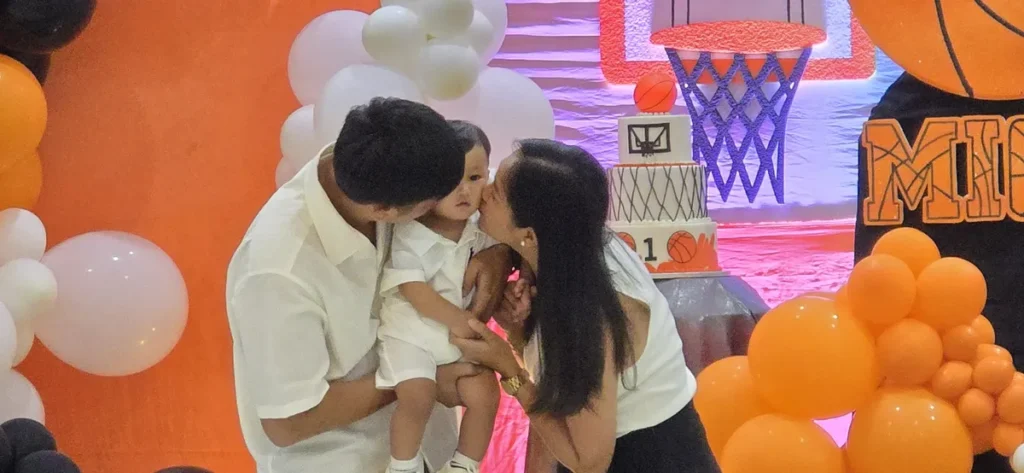
A few weeks ago, I got a call. An invitation. Not for a new tech venture or a a business meeting. This was for a different kind of commitment: godfather to baby Miguel.
My first thought: Me? A godfather? What even is that here?
The Cultural Curveball: What is a Godfather?
Back in Korea, the concept of a “godfather” doesn’t exist in the same way. We have relatives, close friends. But this specific, formal role, tied to a baptism? It’s foreign. I admit, when I first moved here, I was a bit taken aback by these requests.
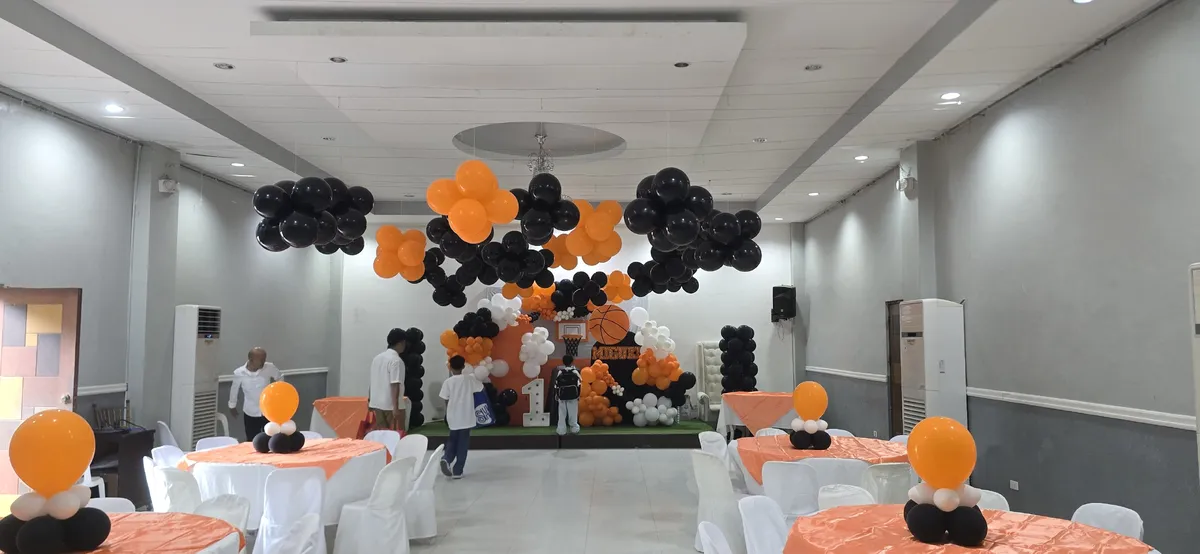
It’s a common thing in the Philippines. Parents pick close friends or respected elders. People they want to have a special, albeit often symbolic, connection to their child’s life.
Over the years, I’ve seen it enough times. It’s less about some lifelong, binding religious contract in the Western sense. More about a symbolic embrace. A way for close friends and family to formally acknowledge their connection to a new life.
Initially, I felt a weight of responsibility. Was I qualified for this “important” position? What did it even entail? But through observation and a few candid conversations, I understood. It’s about being part of the child’s extended support system. A chosen family, really.
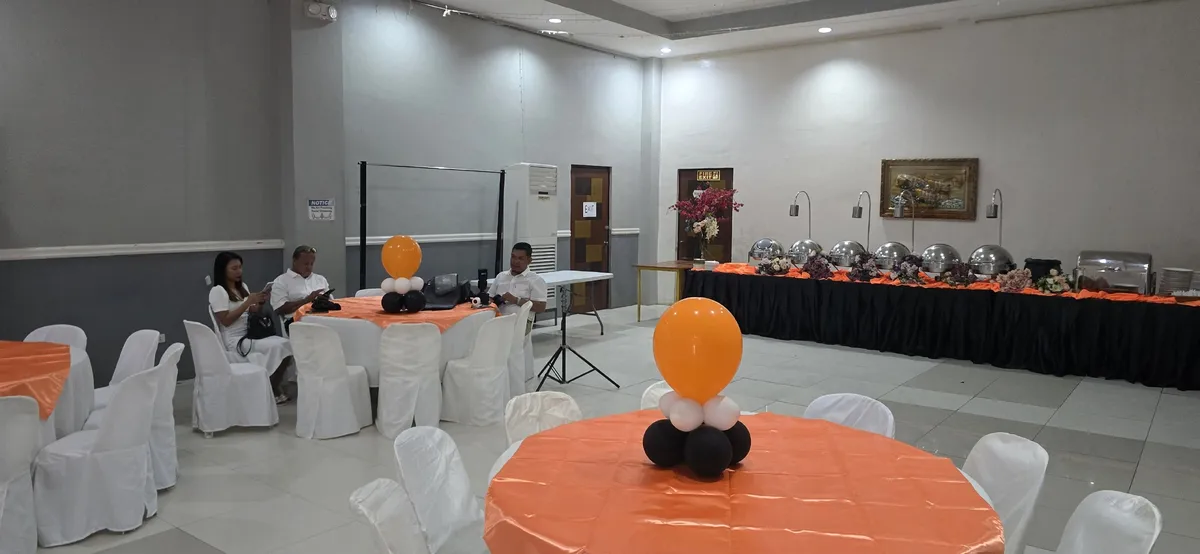
The Ceremony: A Day for Miguel
So, last Saturday, I found myself in the church. Dressed a bit more formally than my usual tech-casual. The air was thick with the scent of candles and the excited chatter of families.
Little Miguel, the star of the show, was tiny and squirming in his crisp white outfit. Holding him felt surreal. A quick dip of holy water, a few prayers, and then, just like that, I was officially one of his godfathers.
It’s a simple ceremony, full of joy and community. The parents, beaming. The godparents, solemn but happy. It’s a moment of blessing, of welcoming a new soul into the world, and into a wider circle of care.
The Feast: Lechon and Laughter
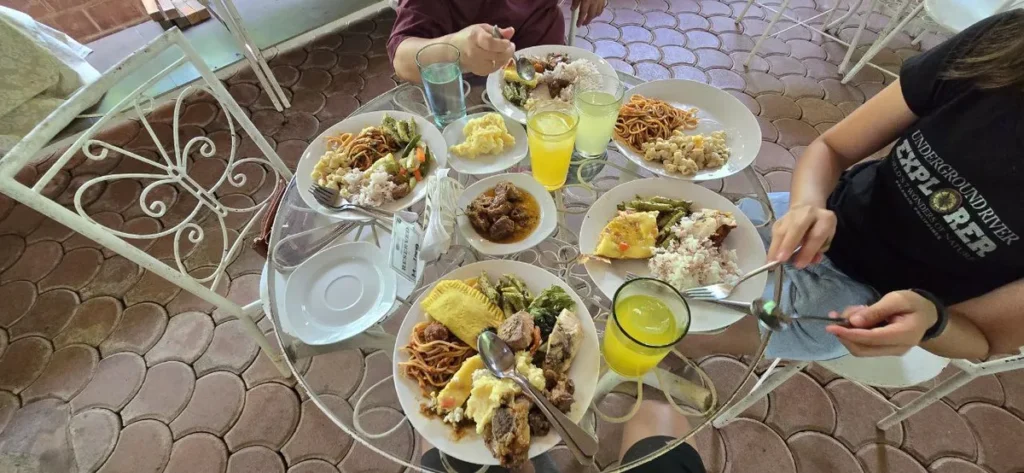
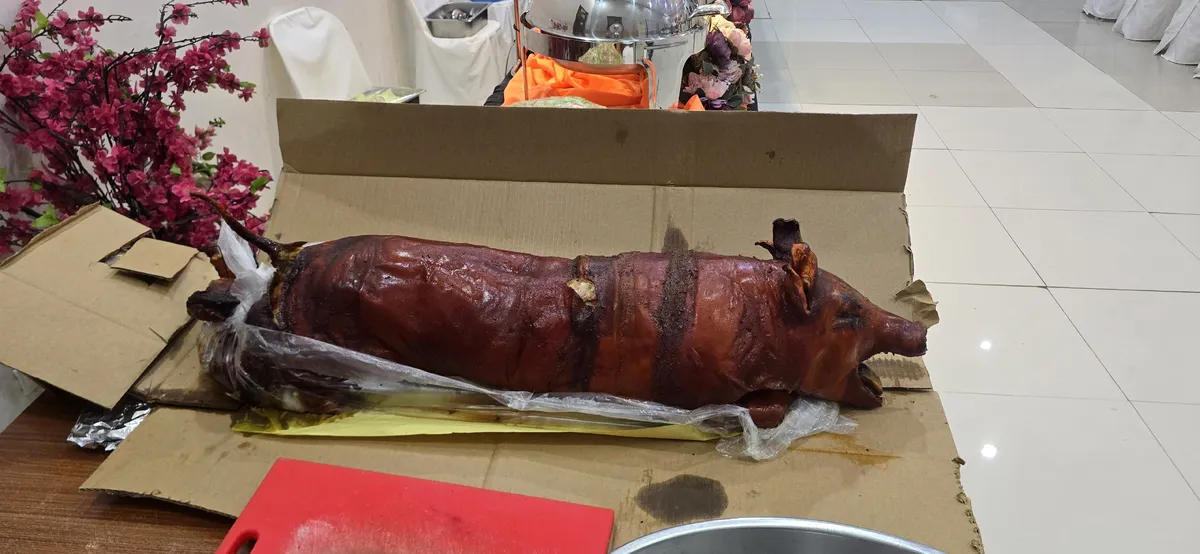
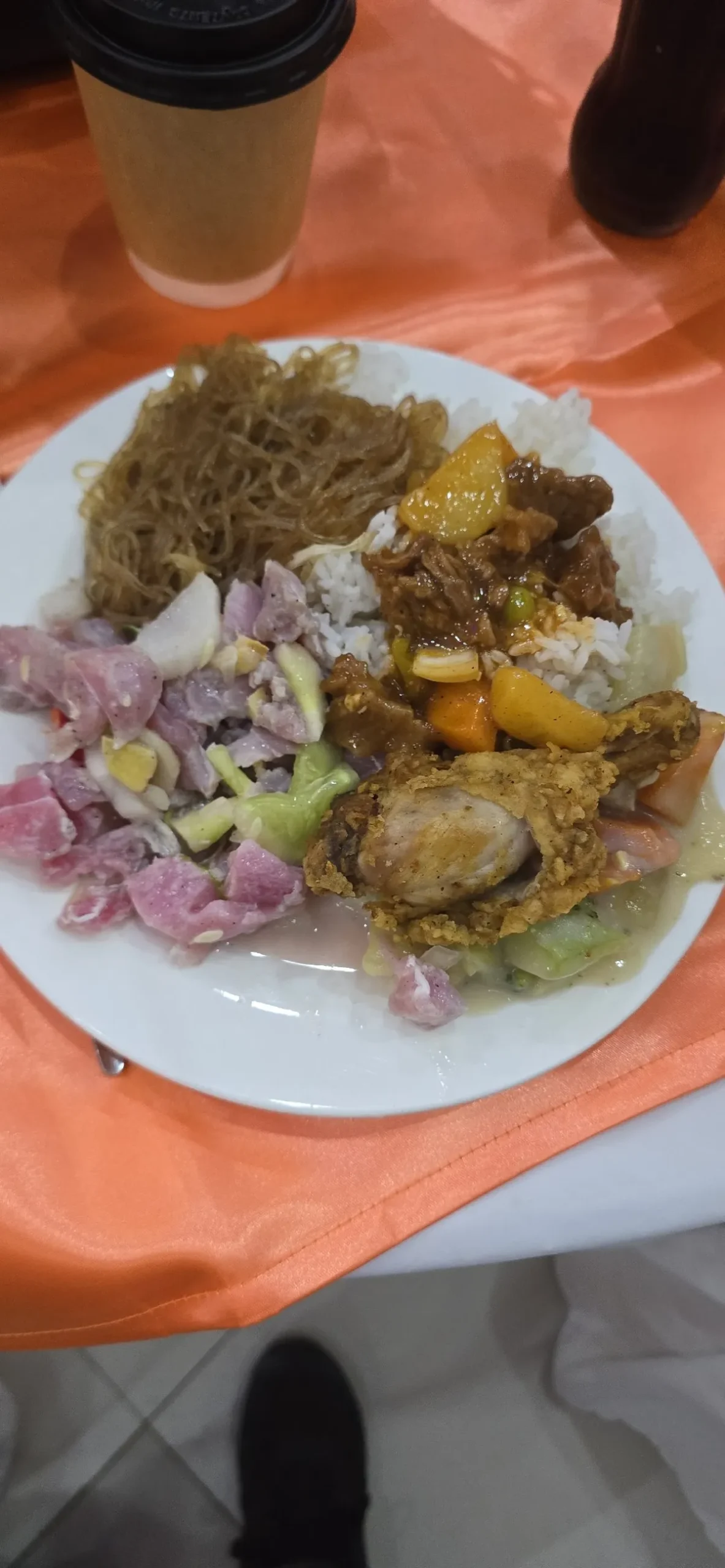
Post-church, the real celebration began. And in the Philippines, that means one thing: food. Specifically, lechon.
A whole roasted pig. Skin crackling like glass. Meat tender and dripping with juice. It’s the centerpiece of any major celebration here. A non-negotiable.
The aroma alone is enough to get your stomach rumbling. Everyone lines up. Plates piled high. Laughter, chatter, kids running around everywhere. This is the heart of Filipino hospitality. Everyone sharing, everyone happy.
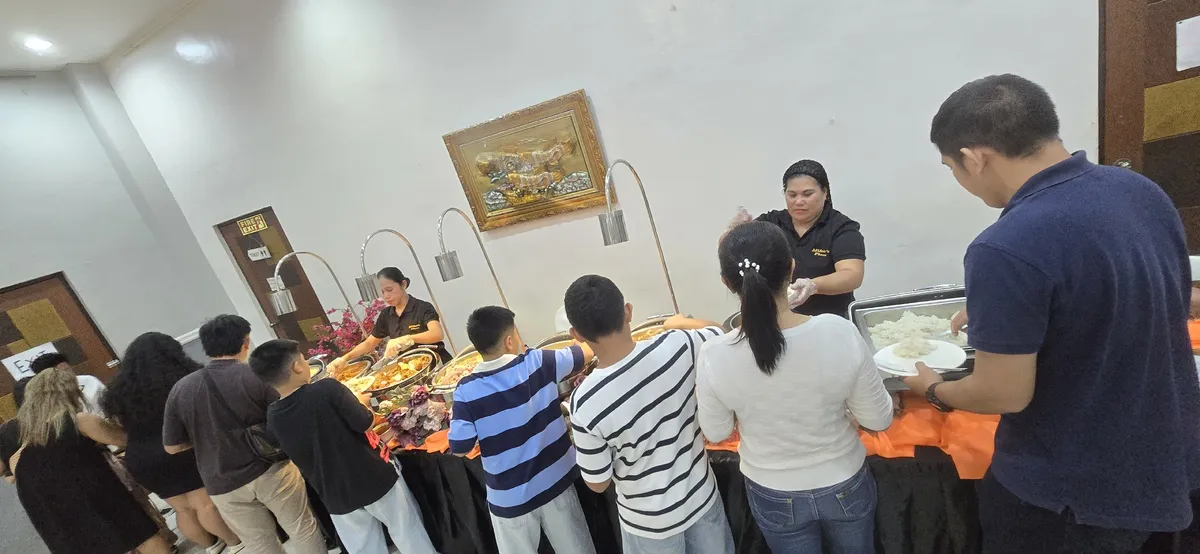
It’s not just a meal. It’s a communal experience. A coming together. A reaffirmation of bonds.
The After-Party: Fundador and Friendship
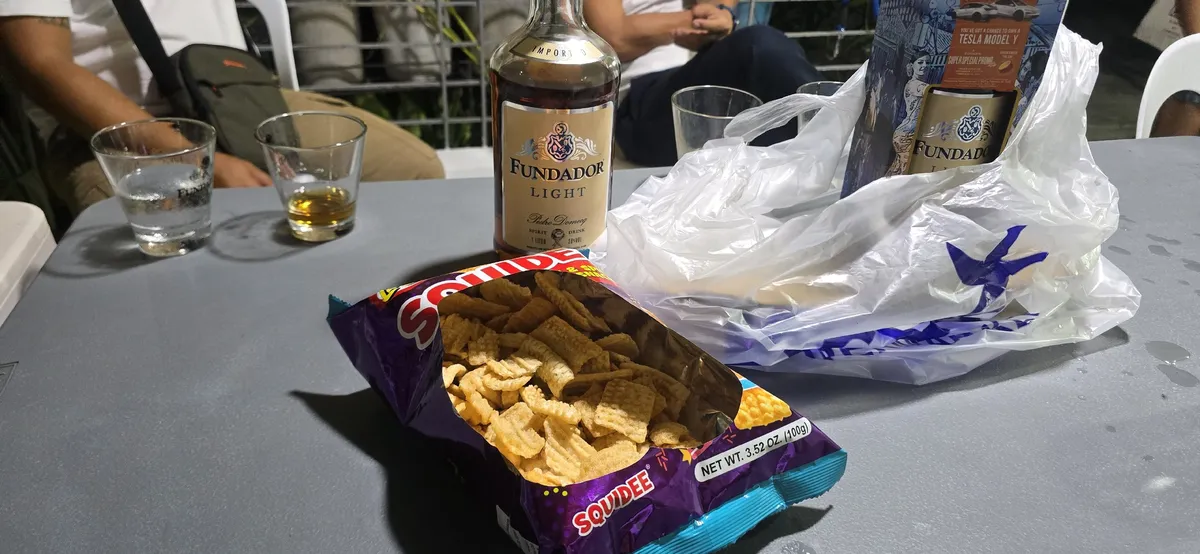
The official party wound down, but the good times didn’t stop. A few of us—the fathers, the godfathers, some close friends—migrated to a quieter spot. Out came the Fundador.
If you haven’t been to the Philippines, Fundador is a Spanish brandy. Very popular here. Small glasses, ice clinking. The conversations flowed easily. We talked about everything. Business, family, local politics, the usual gripes and laughs about life in Davao.
No grand pronouncements, no heavy philosophical debates. Just honest, straight talk among friends. The kind of conversations you can only have when you’ve shared years, not just hours. It’s raw, it’s real. This is where you truly connect.
My Evolving Role: A Different Connection
This isn’t about me suddenly becoming a devout Catholic. It’s about a deeper immersion into the culture. A tangible link.
Now, when I see Miguel, there’s a different spark. A little voice in the back of my head: “That’s your godson.” It’s not just a friend’s kid anymore. It means I’ll make sure there’s a birthday gift. A little something extra. A check-in.
It’s a small commitment, yes, but it means something. It means I’m a part of his journey, however minor. It adds another layer to my life here.
Living Locally: The Nomad’s Advantage
This experience, becoming a godfather, it’s a perfect example of why I’ve stayed in Davao for over a decade. It’s not just about the weather or the generally lower cost of living – though those are definitely perks.
It’s about building a life. Not just running a business remotely. It’s about genuine connections. About being invited not just to a party, but into a family’s fabric.
As a digital nomad, it’s easy to stay on the surface. To be a tourist with a laptop. To move every six months. But real living, real growth, comes from digging in. From saying “yes” to the unexpected. From embracing roles that are entirely new to you.
Davao has become home. My friends here are family. They’ve seen me through business wins, minor setbacks, and everything in between. They don’t see me as “the foreigner” anymore; I’m just Kevin. The godfather. The tech guy. The friend who drinks Fundador.
So, baby Miguel, welcome to the world. And welcome to my expanded circle. Your christening was more than just a ceremony. It was a reaffirmation of the life I’ve built here. A reminder that sometimes, the most important “deals” you close aren’t in a boardroom, but at a table, over lechon and good company.
🚀 Kevin’s Nomad Insight
* Embrace cultural invitations: They are pathways to genuine integration, not just formalities. Say yes to the unexpected.
* “Arbitrage” isn’t just financial: It’s about a richer, more connected quality of life, often found in unexpected cultural roles.
* Build roots: True remote living longevity comes from planting yourself in the local community, not just passing through.
* Connections over networking: Sometimes, the best relationships are forged over local drinks and candid conversations, not structured events.