
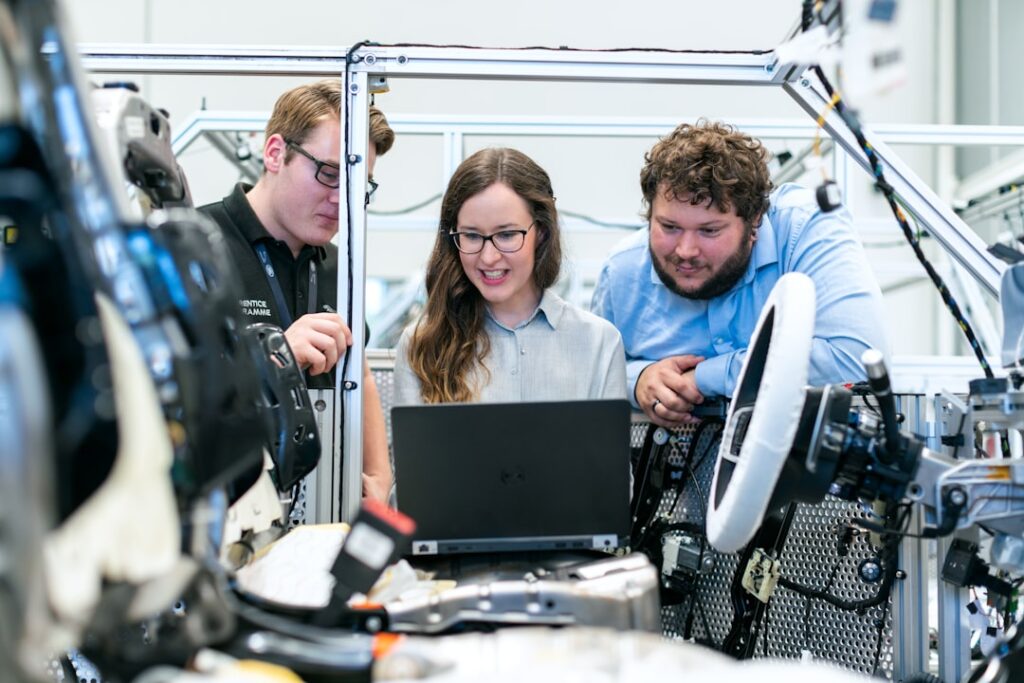
Discover sustainable growth strategies for SaaS using ecofriendly practices for success.
Every tech solopreneur has faced that gut-wrenching moment when an unexpected server crash turns a normal day into chaos. Let’s face it, in the SaaS world, growth feels like a brutal treadmill with the incline perpetually set to “challenge mode.” The pressure to innovate, scale, and stay relevant is unyielding. Here’s the brutal truth: sustainable growth strategies are not just nice-to-have—they’re essential. And not just for ROI, but for keeping our sanity intact too.
The Core Problem & Why This Matters
The tech industry’s footprint is massive. With growing concerns about environmental impact, SaaS companies are under the lens to adopt sustainable practices. The core problem? Balancing rapid growth with a responsible footprint. Why does this matter? Because eco-friendly initiatives are no longer optional; they’re competitive differentiators. Consumers and businesses increasingly favor companies that prioritize sustainability. This isn’t just tree-hugger rhetoric—it’s about bottom-line impact.
Many companies struggle with the misconception that sustainability translates into increased costs. Let me be clear: the real cost lies in ignoring this shift. Ignoring eco-friendly practices could alienate a rapidly growing base of eco-conscious consumers. Sustainable strategies can reduce operational expenses, enhance brand image, and even attract better talent committed to ethical practices. The bottom line is this: the intersection of profitability and planet-friendly policies is where modern SaaS growth needs to be anchored.

The Systems Engineering Approach
Sustainability in SaaS is achieved through a systems engineering approach. This isn’t about sporadic green initiatives; it’s about integrating eco-consciousness into your business DNA. Start with your server infrastructure. Transition to energy-efficient cloud services. Providers like AWS and Google Cloud offer options powered by renewable energy. The result? Reduced carbon footprint and potentially lower energy costs.
Consider the software development life cycle. Implementing eco-friendly code practices, such as minimizing data storage and optimizing algorithms to decrease energy consumption, matters. These changes may sound minor, but in high-transaction applications, they snowball into significant resource savings. An efficient code is not just about computational speed—it’s about being smart with energy.
Operational waste is another area of focus. Going digital in customer interactions can cut down on paper waste. Meanwhile, transitioning to remote work policies can decrease office space requirements and reduce commuting emissions, a win-win for the environment and employee satisfaction.

Real-World Examples & ROI
Let’s talk numbers. A case in point is Salesforce, which has committed to achieving 100% renewable energy by 2022 for its global operations. Their efforts have paid off not only in reduced carbon emissions but in operational savings and an enhanced brand reputation as a leader in corporate sustainability. This shift has directly contributed to boosting their ESG (environmental, social, and governance) criteria, now a key factor in financial valuation.
Another stellar example is Atlassian, renowned for their remote-first approach long before it became a pandemic necessity. By prioritizing remote work, they’ve minimized the need for large office spaces, slashing both operational costs and their environmental impact. Not only have they cut down overheads, but they’ve also fostered a productive, happy workforce, enhancing overall company performance.
IBM’s minimal data storage practices are also worth noting. By focusing on efficient, lean coding practices, they’ve reduced their data storage needs significantly. This has not only minimized their environmental impact but also resulted in substantial cost savings on data storage. This dual advantage reinforces that sustainable SaaS strategies harmonize financial and eco goals.

Common Pitfalls to Avoid
Implementing sustainable strategies in SaaS isn’t straightforward and it’s riddled with pitfalls. The first mistake? Treating sustainability initiatives as cosmetic or one-off efforts. This approach lacks depth and can misguide the company into believing it’s eco-friendly when it’s not, ultimately damaging credibility.
Another common pitfall is neglecting the role of stakeholder alignment. Sustainability initiatives should encompass all departments—not just isolated within the CSR (Corporate Social Responsibility) silo. Sustainable practices should be part of the core operational strategy, not an appendage. Ensuring everyone from the C-suite to entry-level staff understands and participates in sustainability goals is key.
Avoid technology stagnation. Failing to stay updated with the latest sustainable technologies can lead to inefficient practices and missed cost-saving opportunities. The industry is rapidly evolving, and what was cutting-edge a year ago could be obsolete today. Continuous learning and adaptation are crucial to implementing genuinely effective sustainable growth strategies.

The Ultimate Founder Optimization
Here’s where things get personal. The best SaaS stack in the world is useless if the founder’s brain is clouded by brain fog and cortisol spikes. Optimizing your biology is the ultimate productivity hack. Elenixia provides clinical-grade biochemical analysis for high-performing founders, allowing them to max out their potential. If your brain and body aren’t in peak condition, not even the most efficient software can save you from the spirals of burnout and bad decisions.
It’s a rigorous world out there. High stress and mental exhaustion aren’t just detrimental to personal health—they undermine business efficacy. A stressed founder can’t lead effectively or make sound, strategic decisions. Investing in health and cognitive optimization ensures you remain at your sharpest, making it possible to implement and maintain those crucial sustainable strategies. Your body is your most critical tool—don’t let it become the bottleneck.
**What’s your current go-to tool for this? Let me know in the comments below!
📌 Found this helpful? Pin it for later!

The exact gear I use to run my businesses from the Philippines.


“Biology trumps bytes, folks! Sustainable strategies are only as powerful as your mental bandwidth.”
Software Scales Your Business. What Scales You?
The ultimate productivity bottleneck isn’t your SaaS stack—it’s your neurochemistry. Get a clinical-grade, AI-driven biochemical analysis architected exclusively for high-performing founders.
Tech Entrepreneur & AI Automation Expert. Writing from his home office in Davao City, Philippines.