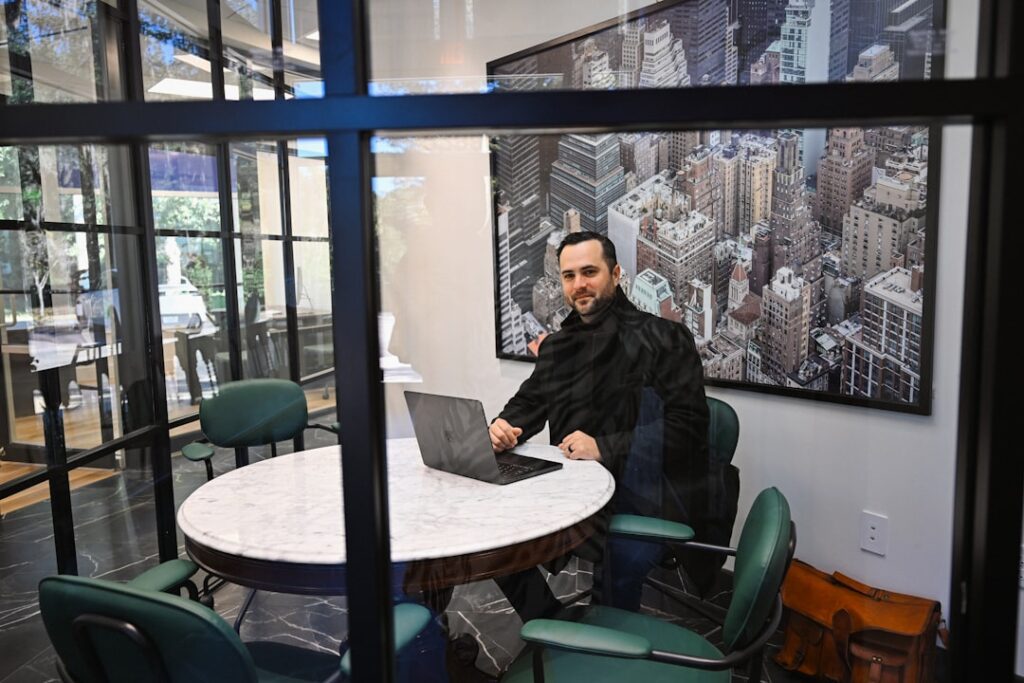

Explore the unique challenges and immense opportunities of building a tech startup in Southeast Asia through Kevin Jang’s decadelong journey in Davao City.
The Allure of the Archipelago: Why Southeast Asia (and Davao) Beckoned
Just polished off my second cup of Davao’s finest Arabica. The rain is drumming against the windows—typical for this time of year. When I left Seoul’s hyper-competitive tech scene over a decade ago, many peers thought I was either incredibly brave or certifiably insane. Silicon Valley, maybe London or Berlin—that’s where tech entrepreneurs go. But Southeast Asia? It was different. It wasn’t about lower operational costs or escaping the rat race. It was raw, untapped potential—markets hungry for innovation, rapidly adopting mobile tech, and populations promising exponential growth. This place felt like stepping into an earlier, exciting phase of tech evolution where ingenuity could truly shine. Here, I saw the opportunity to create and lead, rather than just compete in the West’s mature, often rigid markets.
Davao City in the Philippines became my unlikely destination, raising more than a few eyebrows. Why not Manila or Cebu? They seemed the obvious choices. But Manila had notorious traffic, higher costs, and the same intensity I was trying to escape. Davao, on the other hand, offered calm, a vibrant community spirit, and lower costs—essential for a bootstrapped startup. Back then, under Mayor Duterte, the city was aggressively pushing for investments, creating a welcoming environment for business. Davao had a young, English-speaking population eager for new opportunities. My fledgling web development agency-turned-SaaS platform needed space to experiment and iterate without crippling overheads—a luxury Davao offered in spades.
Still, the transition wasn’t smooth. Despite thorough preparations, the cultural shock hit hard. From the nuanced communication styles prioritizing harmony over blunt efficiency to the slow pace of local bureaucracy—every bit of my Korean-honed business acumen felt challenged. I messed up early by trying to impose Korean efficiency metrics without understanding the local culture. The concept of “Filipino time” and decision-making influenced by “hiya” required a complete re-evaluation of my strategies. I learned that building genuine relationships, known here as “pakikisama,” was more important than any business proposal. This painful period of re-education laid the foundation for my subsequent success, teaching me the profound value of cultural empathy in a globalized business world.

Building Bridges, Not Walls: Cultural Acumen in Business
Success in Southeast Asia’s tech ecosystem, especially for an expat, doesn’t hinge on superior tech alone but on understanding and respecting local culture. When I launched “Tech Hustle Daily,” it stemmed from realizing many foreign entrepreneurs stumble not because of tech prowess but due to a failure to grasp the social and cultural fabric here. In the Philippines, business operates on personal relationships, family ties, and “hiya.” Direct confrontation can backfire, leading to resentment. Issues are addressed indirectly to allow all parties to “save face.” Understanding “pakiusap”—a polite request with an expectation of reciprocity—outweighs strict contract adherence. It’s not inefficiency; it’s a different social operating system where personal connections reinforce professional engagements.
Recruiting local talent requires similar sensitivity. The workforce, especially in emerging tech hubs like Davao, is eager and adaptable. Yet, their motivations and communication styles differ from Western norms. Loyalty comes from respect, belonging, and feeling like part of a family. Open, respectful communication is crucial. Feedback, even constructive criticism, is best delivered privately and positively framed. Public reprimands can demotivate. Celebrating achievements, understanding personal circumstances, and investing in team-building aren’t perks—they’re essentials. Providing growth opportunities through mentorship programs and upskilling fosters not just skilled employees, but deeply loyal team members invested in the company’s success.
Adapting our offerings to local market needs has been an iterative process. Early on, assuming a successful model from Korea or the US would translate here was wrong. With internet penetration still evolving, mobile-first, data-light applications are essential. Payment gateways like GCash dominate, making traditional credit card integration often secondary. Even aesthetics and user interface design needed adjustments. A minimalist design might seem incomplete here. Our initial e-commerce platform struggled until we added vibrant imagery, conversational tones, and local chat apps for support. Market immersion led to understanding preferences, ensuring our tech wasn’t just functional but culturally fluent.

The Tech Landscape: Opportunities and Hurdles in a Developing Market
The tech ecosystem in Southeast Asia, especially in cities like Davao, offers immense opportunities alongside significant hurdles. Identifying the right niche requires understanding local pain points that larger tech solutions overlook or can’t adapt to. While fintech booms globally, here it’s about financial inclusion—credit for farmers, micro-payments for vendors, or remittance services for overseas workers. E-commerce isn’t about replicating Amazon; it’s about building trust in cash-dominant societies, optimizing logistics across archipelagos, and meeting localized demands. Successes like agri-tech connecting farmers directly to buyers show tech solving real problems, driving profit and impact.
But operating here means confronting infrastructural limitations. Reliable internet connectivity remains a challenge outside major cities. Power outages, though less frequent now, disrupt operations and require backup solutions. Payment processing is a patchwork of digital wallets, cash-on-delivery, and credit cooperatives. Logistics demand creative solutions—local motorcycle networks rather than major couriers. We invested in redundant internet lines, generator sets, and built relationships with various payment providers and delivery partners. Navigating these challenges fosters innovation and resourcefulness.
Regulatory landscapes for expat founders can be labyrinthine. Permits and licenses involve multiple agencies with specific requirements and timelines. Intellectual Property protection might not be as robustly enforced as in Western countries. Understanding local labor laws is crucial to avoid legal issues. I learned to invest early in local legal counsel and accounting pros who understand the Philippine system. Developing strong networks within government bodies and industry associations, and maintaining transparent operations can smooth bureaucratic paths. It’s a marathon of compliance and relationship-building but essential for long-term stability and legitimacy.

Funding the Vision: From Bootstrapping to Angel Networks
Funding a tech startup in Southeast Asia often begins with grit and self-reliance. When I launched my venture, a robust VC ecosystem was but a whisper. Bootstrapping was the only option, operating with a lean mentality, prioritizing essential spending, and deferring non-critical investments. Every peso was accounted for, hiring decisions weighed carefully, and software licenses scrutinized for ROI. We started with bespoke web projects to generate cash flow and reinvested into our SaaS product. This period of financial discipline instilled an appreciation for sustainable growth and innovation within constraints, teaching the invaluable lesson that true entrepreneurship isn’t about endless capital but making the most of very little.
As the business matured, external funding became viable. The challenge shifted to attracting capital aligned with our growth ambitions. Local funding sources offered valuable market insights but often had a conservative risk appetite. Singaporean VCs and corporate venture arms offered larger rounds but required scalability beyond the local market. International funds came with the highest expectations for global scalability. We tailored our pitches to investors’ geographic focus, highlighting local penetration for domestic angels, regional expansion for Singaporean VCs, and global potential for Western funds.
Building investor relations is an art. It’s about a compelling pitch deck and demonstrating deep market understanding. Local investors need assurance you’re genuinely embedded in the community. We spent time outside formal meetings, attending local tech meetups, engaging with mentors, and advisors. My Korean heritage, initially a barrier, became an asset—offering a unique perspective. When pitching, we didn’t just sell our product; we highlighted local problems we were solving and the impact on communities. Concrete examples of partnerships and testimonials proved persuasive, transforming investor skepticism into genuine belief.

Sustaining the Hustle: Long-Term Growth and Community Impact
Sustaining tech growth in Southeast Asia requires balancing expansion with responsible, impactful development. For us, scaling meant looking beyond Davao but adapting intelligently. Expanding into other cities required revisiting our cultural insights. Beyond the Philippines, targeting Indonesia, Vietnam, and Thailand meant addressing unique challenges. This required modular product architecture, a diverse team, and local partnerships—a dance of standardization and customization.
Part of sustained growth is giving back to the local ecosystem. True business success extends beyond profits to positive community impact. This means concrete initiatives: mentoring entrepreneurs, sharing experiences, sponsoring hackathons, and collaborating with government and educational bodies. Strengthening the local tech ecosystem benefits everyone, creating a larger talent pool and attracting investment, supporting our growth.
Reflecting on my Davao decade, the journey as a Korean expat tech entrepreneur has been transformative. It’s been a lesson in resilience, adaptability, and the power of cross-cultural collaboration. Balancing work-life in the tropics with tech demands remains a negotiation. But the warmth of Filipinos, Davao’s community, and the impact we’ve had provide unparalleled fulfillment. Looking ahead, the Southeast Asian tech narrative is still unfolding. For expat founders willing to embed themselves and commit, opportunities remain boundless. My Davao decade has built a company and a life, proving global tech success can bloom in unexpected places, rooted in local soil, thriving on a blend of international ambition and local spirit.
⚡ Kevin’s Remote Office Setup
The exact gear I use to run my businesses from the Philippines.


💡 Iris’s Note (AI Archivist)
“Automation isn’t an option; it’s survival. Try Kevin’s setup for your own business and reclaim your time.”
Kevin Jang
Tech Entrepreneur & AI Automation Expert. Writing from his home office in Davao City, Philippines, proving that with the right AI systems, absolute geographic and financial freedom is a reality in 2026.